Speakers Profile
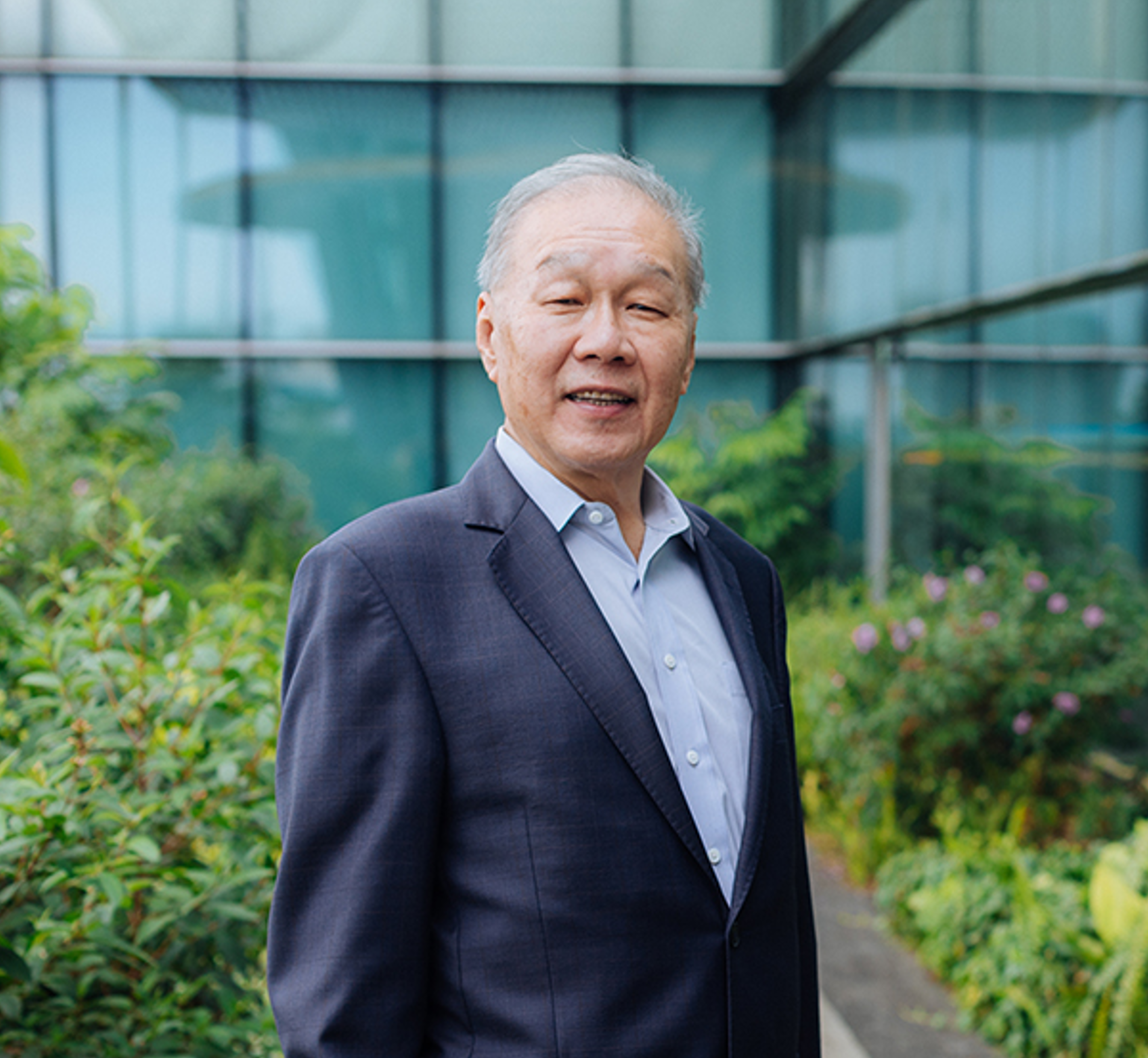
Professor Carlos Jahn
Prof. Dr.-Ing. Carlos Jahn is head of the Institute of Maritime Logistics at Hamburg University of Technology as well as of the Fraunhofer Center for Maritime Logistics and Services in Hamburg.
At the beginning of his professional career Carlos Jahn served as a sailor and later on as an officer in the German Navy. He studied mechanical engineering at the Helmut Schmidt University in Hamburg and economics at the University of Hagen. As a research assistant at the Fraunhofer IFF Carlos Jahn obtained a doctorate at the Otto von Guericke University of Magdeburg.
Carlos Jahn held various management and staff functions in science and industry. In 2009, he accepted the offer of a full professorship at Hamburg University of Technology and was appointed head of the Institute of Maritime Logistics. The Fraunhofer Center for Maritime Logistics and Services was founded in 2010.
Among other things, he is Chairman of the German Society for Positioning and Navigation DGON e. V., a member of the Board of Trustees of Logistics-Initiative Hamburg (LIHH), Head of the "Fraunhofer Industrial Application Centre Quantum Computing Hamburg" (Fraunhofer IQHH) and member of the Scientific Advisory Board of the Federal Ministry for Transport (BMV), Berlin.
Presentation Synopsis
Quantum Computing in the Maritime Sector: Overhyped or a real Game Changer?
The presentation focuses on the potential of various applications of quantum computing in the maritime sector. Selected projects will be discussed, and the question of whether and when the time is right for maritime companies and practice-oriented researchers to engage with applications of quantum computing will be explored. Finally, an answer will be sought to the question of whether quantum computing is overhyped or a real game changer.
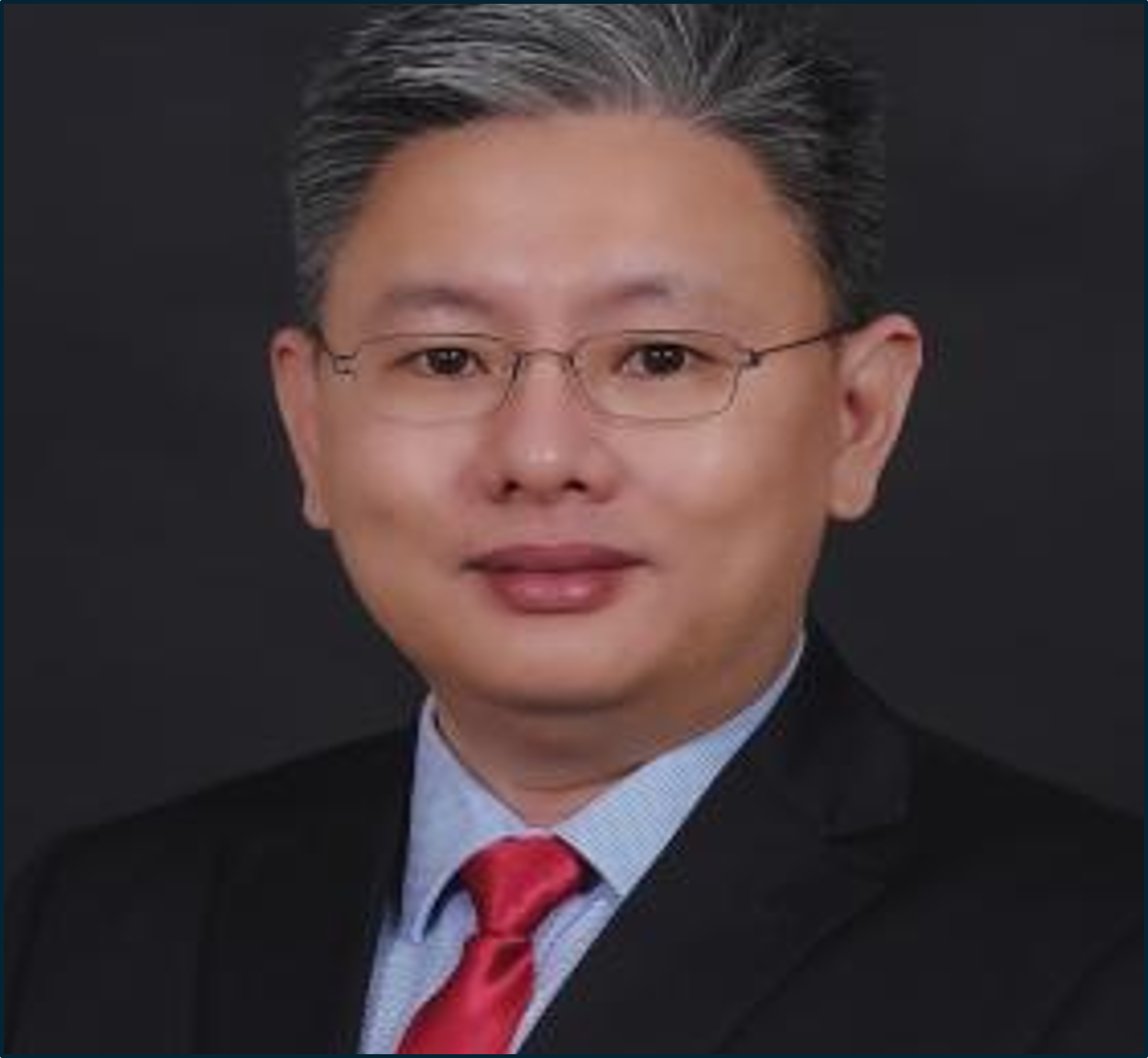
Professor Hideaki Murayama
Hideaki Murayama is a Professor at the School of Engineering, The University of Tokyo. He received the B.E., M.E., and Dr.Eng. degrees from the University of Tokyo (UTokyo), in 1996, 1998, and 2001, respectively. His research focuses on digital twin technologies for ships and large-scale mechanical and offshore structures. He has been leading the development of model-based digital twin frameworks that integrate sensing, simulation, and data-driven approaches for monitoring, design, and operation of complex maritime systems. His work has also centered on structural health monitoring, composite structures, and advanced sensing technologies, particularly distributed optical fiber sensors for strain and vibration measurements in large-scale structures. He currently leads the Maritime and Ocean Digital Engineering (MODE) program at the University of Tokyo, an industry–academia initiative that promotes model-based development and digital engineering approaches for the maritime sector.
Presentation Synopsis
MODE - Industry-Academia Collaboration for Developing a Simulation Platform to Build Sustainable Maritime Transport Systems
Maritime transport supports approximately 80% of global trade and more than 99% of Japan’s international cargo, making it a critical infrastructure for the global economy. At the same time, the maritime sector faces major challenges, including decarbonization, the introduction of autonomous and highly digitalized vessels, and the need to maintain productivity in increasingly complex ship design and manufacturing processes.
The University of Tokyo started the Maritime and Ocean Digital Engineering (MODE) program as an industry–academia collaboration. MODE aims to introduce and adapt Model-Based Development (MBD) and Model-Based Systems Engineering (MBSE)—methodologies widely adopted in industries such as automotive and aerospace—to the maritime domain.
The program focuses on the development of a simulation platform that enables integrated modeling and simulation across ship design, operation, and maritime transport systems. By connecting diverse stakeholders—including shipbuilders, shipping companies, equipment manufacturers, and researchers—MODE seeks to establish a collaborative digital engineering framework for the maritime industry.
This talk introduces the concept and activities of MODE, highlighting its role in building a digital engineering ecosystem for sustainable maritime transportation, accelerating collaborative activities through simulation-based design, and fostering the next generation of engineers capable of addressing complex maritime system challenges.
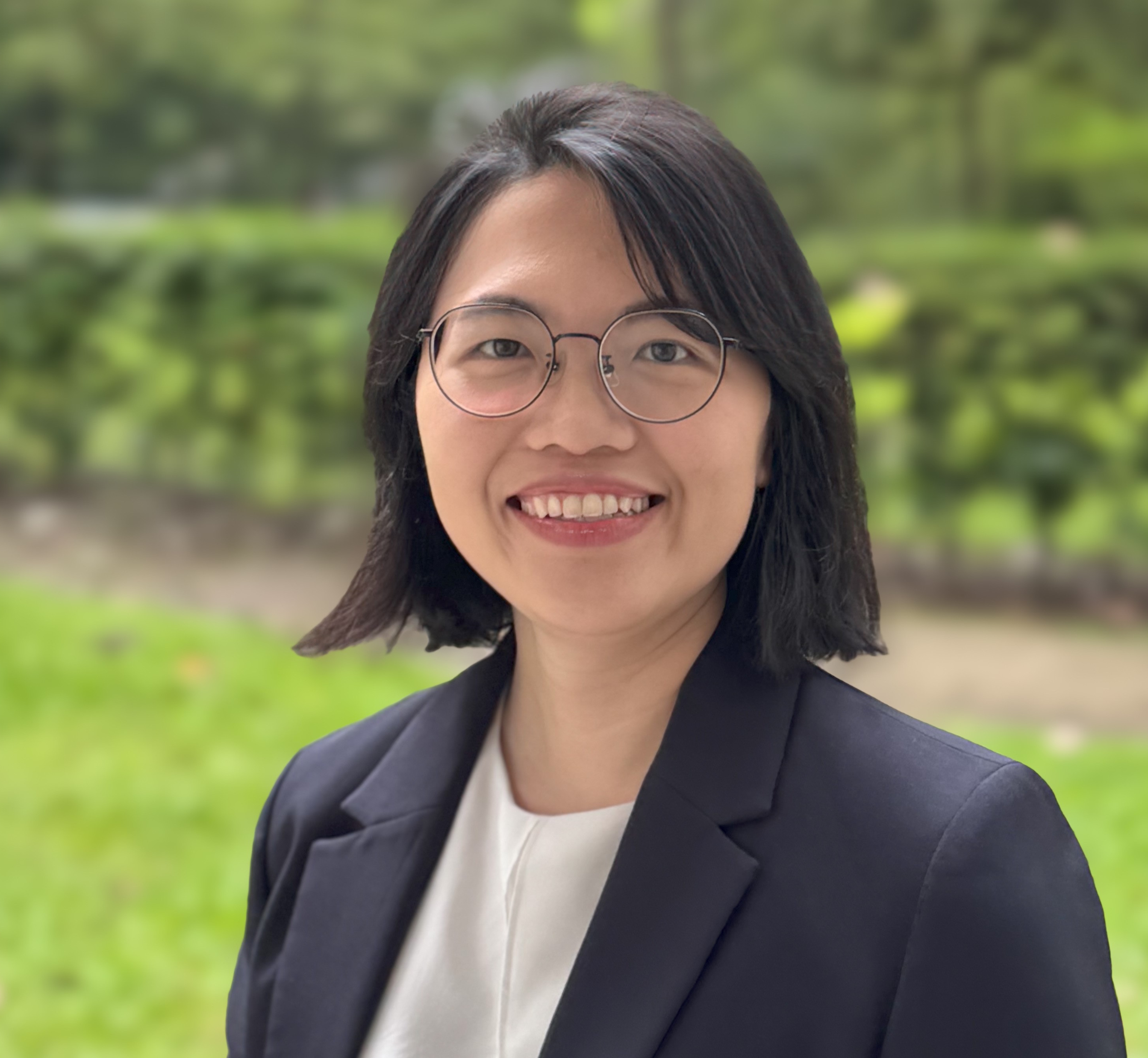
Dr Sun Sumei
Dr Sumei Sun is the Executive Director of the Institute for Infocomm Research (I2R), A*STAR, Singapore. She is also holding a joint appointment with the Singapore Institute of Technology, and an adjunct appointment with the National University of Singapore, both as a full professor. Her current research interests are in next-generation wireless communications, cognitive communications and networks, industrial internet of things, communications-computing-control integrative design, joint radar-communication systems, and signal intelligence.
Sumei has a strong passion in industry-relevant research and technology creation. She has authored and co-authored 300 technical papers and received three best paper awards. She is the inventor/co-inventor of over thirty patented technologies, with most of them licensed to industries.
She has served as the Wireless Systems Work Group Chair of the IMDA’s Telecommunications Standard Advisory Committee (TSAC) during 2015-2018, and member of the TSAC since 2018. During 2017-2018, she served in the Advisory Panel for preparing The Singapore Smart Industry Readiness Index (SIRI) white paper championed by the Economic Development Board (EDB). In 2018, she served as Chairperson of the Services and Digital Economy (SDE) Technology Roadmap Work Group 1 (Future Communications and IoT) and member of the SDE Technology Roadmap Technical Committee, for transforming the future of digital services. The SDE Technology Roadmap development was championed by IMDA, in partnership with NRF and A*STAR. Since 2021, she’s been chairing the Special 5G Strategy Task Force under IMDA’s Telecommunications Standards Advisory Committee (TSAC).
Sumei has been an active volunteer in IEEE and is the inaugural Editor-in-Chief of IEEE Open Journal of Vehicular Technology, member of the IEEE Transactions on Wireless Communications Steering Committee, and a Distinguished Speaker of the IEEE Vehicular Technology Society 2018-2024. She is also the Director of IEEE Communications Society Asia Pacific Board and an elected member at large with the IEEE Communications Society.